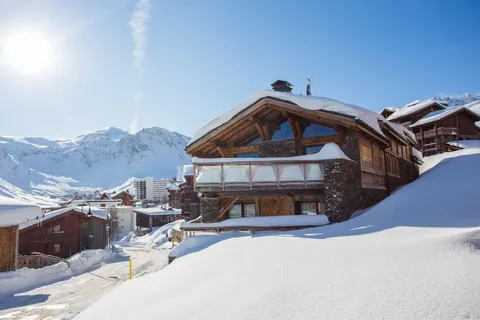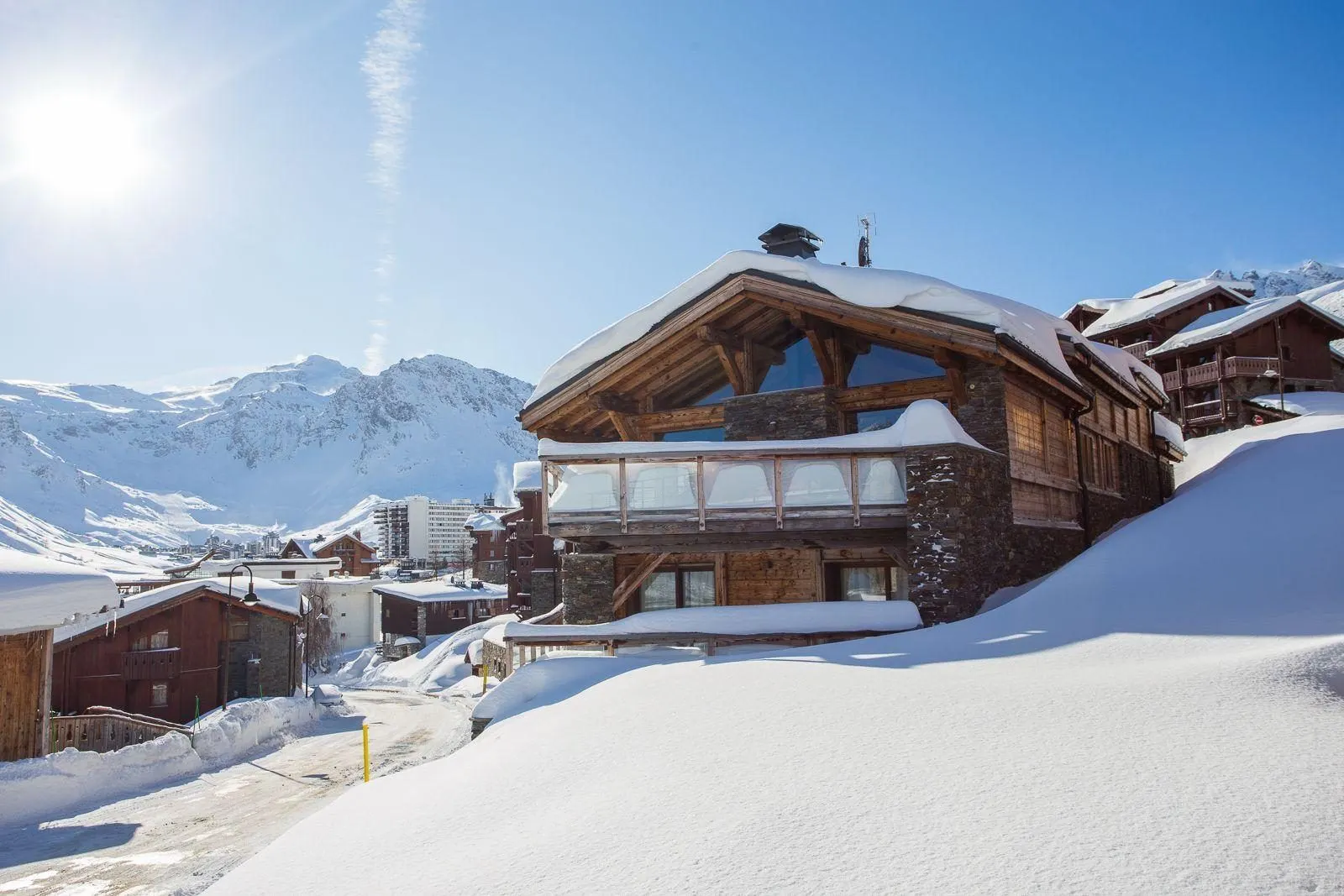
Tignes is a group of villages set between 1550 m and 2100 m in the upper Tarentaise. The main ones, Tignes le Lac and Val Claret, were built for skiing from the late 1950s, after the original village was flooded by the Chevril dam in 1952. What the resort lacks in old-world charm it makes up for in altitude, snow and convenience: most accommodation is close to a lift.
The skiing
Tignes shares about 300 km of pistes with Val d'Isère. The Grande Motte glacier, reached by an underground funicular and a cable car, rises to 3,456 m and keeps its snow late into spring. The terrain is wide and open, with long runs for intermediates, a snowpark and a great deal of accessible off-piste. Beginners have free lifts in Le Lac and Val Claret. Because nearly all the skiing is above the tree line, visibility can be poor in bad weather; the wooded runs down to Tignes les Brévières are the place to go then.
The village
Tignes le Lac is the centre, beside a natural lake that freezes in winter and is used for ice diving, walking and cross-country skiing. Val Claret is closest to the glacier and has lively evenings. Tignes 1800 (Les Boisses) and Les Brévières, lower down, are quieter and more traditional. The Lagon centre in Le Lac has swimming pools and a spa.
Getting there
Allow two and a half to three hours by road from Geneva or Lyon and around two hours from Chambéry. The nearest station is Bourg-Saint-Maurice, about 30 km away.
When to go
Tignes has a long season, usually from late November to early May. It is a sound choice for early December and for April.
Who it suits
Keen skiers and snowboarders of all levels who put snow and mileage first, and groups who want to ski from the door.