Paris, the capital of France, lies on the Seine in the Île-de-France region, a long way from the mountains but on the way to them for many travellers. The city proper has about two million inhabitants in twenty arrondissements. It makes a natural stop of a few days before or after a stay in the Alps.
What to do
A short stay is well spent on foot along the river: the banks of the Seine have been a World Heritage site since 1991, and many of the main sights are close to them. Notre-Dame, which reopened in December 2024, the Louvre and the Musée d'Orsay can be combined in a day; the Eiffel Tower, the Arc de Triomphe, the Panthéon and the Sacré-Cœur are the other landmarks most visitors want to see. Smaller museums such as the Orangerie, the Rodin and the Picasso are easier to enjoy in an hour or two. The famous sights draw long queues, so booking ahead is sensible.
The town
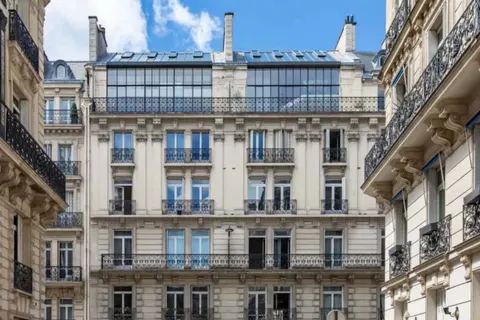
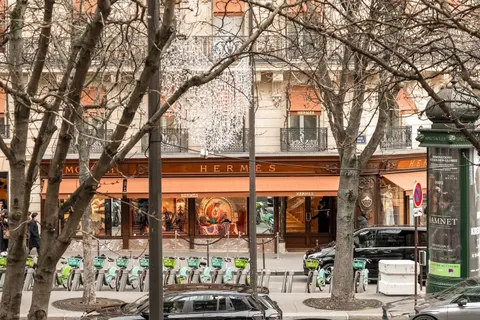
Paris is dense and compact, and each arrondissement has its own character, so where you stay shapes the visit. The metro, with sixteen lines, makes it easy to cross the city without a car, and driving is rarely worth the trouble. Cafés, markets, parks and the riverside are as much the point as the monuments. It is also a big, busy capital: noise, crowds around the main sights and queues in high season are part of it, and those arriving from a week in the mountains may find the change of pace abrupt.
Getting there
The two main airports are Charles de Gaulle, north of the city, and Orly, to the south. For the Alps the station is the Gare de Lyon, the terminus for high-speed trains to the south-east. In the ski season direct TGVs run from Paris to Moûtiers, the station for the Belleville valley, and to other towns of the Tarentaise; the fastest take about four and a half hours. At other times the journey usually involves a change at Chambéry. A night train links Paris with Briançon, for Serre Chevalier. Trains at the start and end of school holidays fill early.
When to go
Paris can be visited in any month. Around a ski holiday the city is in its winter season, with short days and weather that is often cold or damp, but most of what a short visit involves is indoors or can be done in a warm coat. The weeks around Christmas are busy. Spring and early autumn are generally the most comfortable for walking. Whatever the month, two full days is a sensible minimum; one night between a flight and a train leaves time only for a walk along the Seine and a single museum.
Who it suits
Travellers flying long-haul into France who want to break the journey, couples adding a few days of museums and restaurants to a week on snow, and families with older children. It suits those who are happy to walk and to use public transport. It suits less well those who want rest after skiing, and travellers with a lot of ski luggage, for whom a connection through Geneva or Lyon, without crossing a capital city, is simpler.